









 Add Moviefone as a preferred source on Google
The gladiator-themed "Thor: Ragnarok" walloped the box office this weekend, debuting way above expectations with an estimated $121.0 million. The Marvel adventure boosted the box office to its biggest weekend since "Dunkirk" opened four months ago. So why isn't the cheering from the stadium seats louder?
Maybe because the success of "Ragnarok" doesn't mean that the long box office slump is necessarily over. It was a good weekend if you're a Marvel fan (or a Disney executive), but not so good for many others. The Thor-vs.-Hulk contest yielded a number of winners and losers beyond the arena, and together, they reveal a picture of a box office that's still going to have to struggle to catch up with last year's earnings.
Winner: Disney. The "Ragnarok" opening means Disney owns three of the four biggest premieres of 2017 so far (along with "Beauty and the Beast" and Marvel's "Guardians of the Galaxy Vol. 2"). Plus, the studio still has Pixar's "Coco" and "Star Wars: The Last Jedi" coming out before the end of the year. All the wailing and gnashing of teeth you hear from other studios is drowned out at the Magic Kingdom by the sound of cash registers ka-chinging.
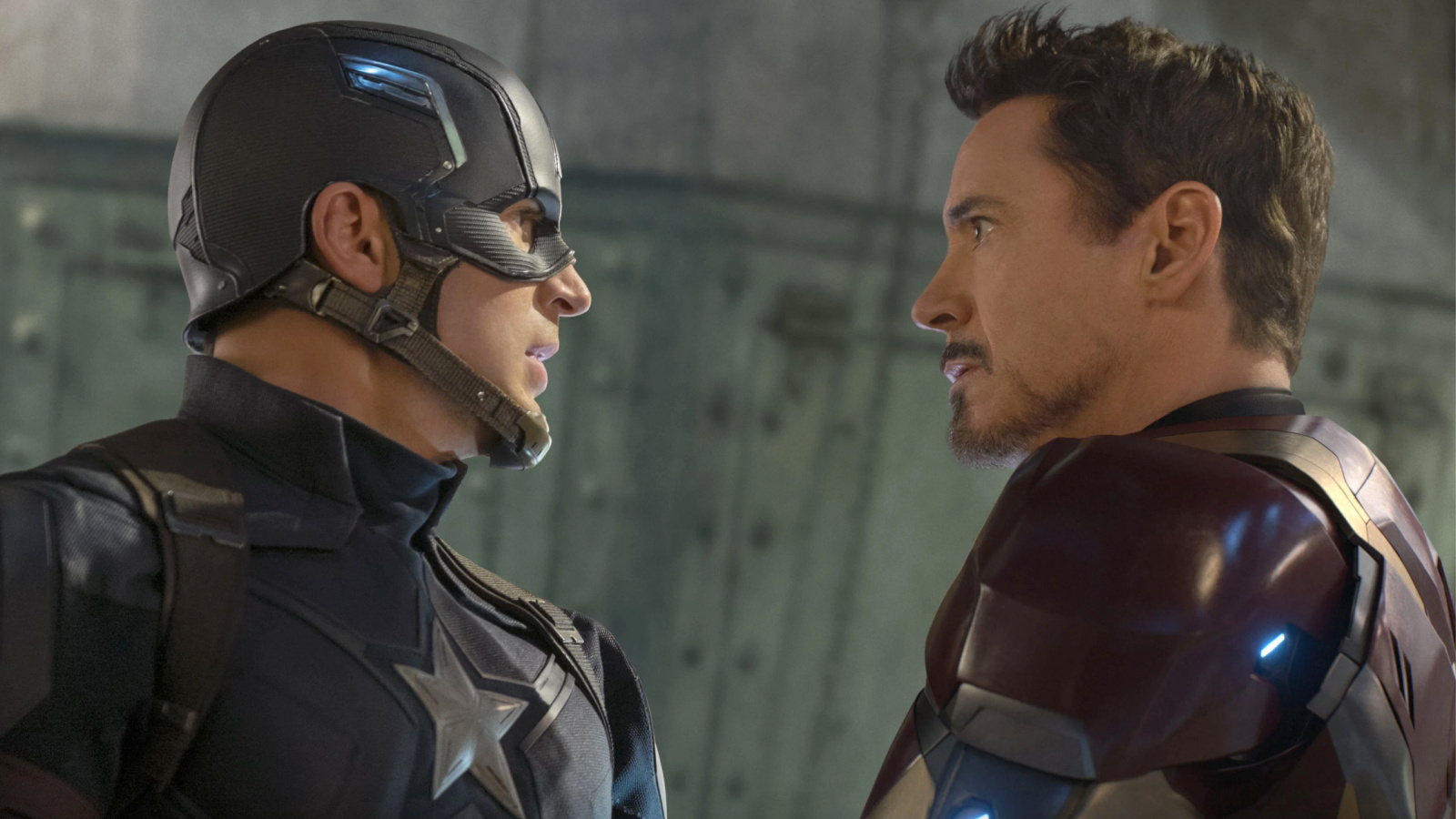
Winner: Marvel Cinematic Universe. Usually, threequels show signs of diminishing returns. Not at Marvel, where every "Thor" picture has opened bigger than the last. (2011's "Thor" premiered with $65.7 million, while 2013's "Thor: The Dark World" debuted with $85.7 million.) The same holds true of other MCU mini-franchises, including "Captain America" and "Iron Man." Give credit to Marvel Studios for both quality control ("Ragnarok" earned a 93 percent fresh ratings from critics at Rotten Tomatoes and an A grade from paying customers at CinemaScore) and for keeping new installments fresh with unique approaches -- in this case, the humorous tone of New Zealand director Taika Waititi.
Even so, the sequel still managed to perform about as well as expected, debuting in second place with an estimated $17.0 million for the weekend and $21.6 million for the first five days. Still, "Christmas" cost $28 million to make, some $8 million more than the original. Subtract the theater owners' cut and the cost of advertising, and the movie will have to earn at least $60 million to break even, a benchmark it's going to have trouble reaching.
Winner: IMAX. For "Ragnarok," Disney is claiming the widest IMAX release ever, some 1187 venues worldwide. That includes 391 of the giant screens in America, responsible for $25.4 million of "Ragnarok"'s domestic take. That's a good sign for the large-screen format, but it's also good as an indication that, when audiences recognize an event movie as a visual spectacle that deserves to be seen on a screen larger than the one in their living room, they'll happily come to the theater to see it, even if it means coughing up premium-format surcharges.
Loser: The overall box office. One big weekend may not have been enough to turn the box office around. For one thing, it's still about 8 percent behind the same weekend a year ago, which saw the premieres of Marvel's "Doctor Strange," kiddie hit "Trolls," and Oscar-friendly war drama "Hacksaw Ridge," which debuted with a combined $146.9 million. We're not seeing that sort of deep bench this year, which is why 2017 ticket sales are still down about five percent from the same time a year ago.