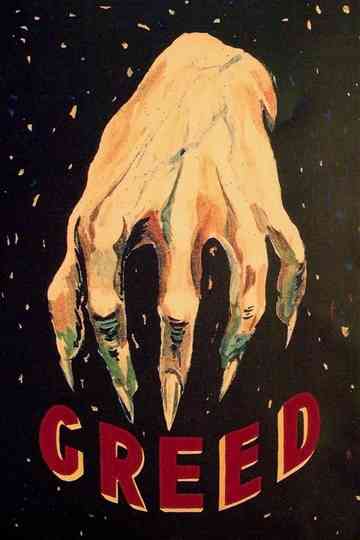
Benjamin Franklin "Frank" Norris Jr. (1870–1902) was an American journalist and novelist during the Progressive Era, whose fiction was predominantly in the naturalist genre. His notable works include McTeague: A Story of San Francisco (1899), The Octopus: A Story of California (1901) and The Pit (1903). McTeague was filmed by Erich von Stroheim in 1924 under the title Greed and staged as an opera by composer William Bolcom and director Robert Altman in 1992. After the example of Émile Zola and the European naturalists, Norris in McTeague sought to describe with realistic detail the influence of heredity and environment on human life. In The Octopus and other novels he strove to return American fiction, which was then dominated by historical romance, to more serious themes. Despite their romanticizing tendencies, his novels present a vividly authentic and highly readable picture of life in California at the turn of the 20th century. Although some of his novels remain highly admired, aspects of Norris's work have not fared well with literary critics in the late 20th and early 21st century. Norris's work is often seen as strongly influenced by the scientific racism of the late 19th century, such as that espoused by his professor at the University of California, Berkeley, Joseph LeConte. In Norris's work, critics have seen evidence of racism, antisemitism, and contempt for immigrants and the working poor, all of whom are seen as the losers in a Social-Darwinist struggle for existence.