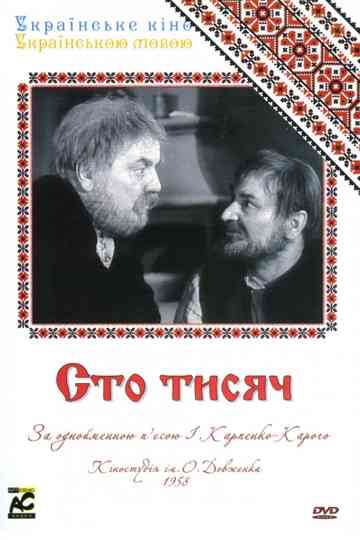













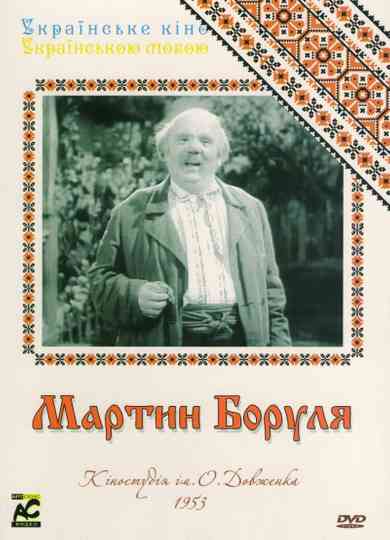

Famous Ukrainian actor and playwright; the brother of the theater figures Panas Saksahanskyi, Mykola Sadovskyi, and Mariia Sadovska-Barilotti. Ivan Karpenko-Karyi (pen name of Ivan Tobilevych) was renowned as a playwright. He began writing quite late in life: his first story, Novobranets (The New Conscript), and first play appeared in 1883. Altogether he wrote 18 frequently produced plays: the satiric comedies Rozumnyi i duren’ (The Wise Man and the Fool, 1885), Martyn Borulia (1886), Chumaky (Chumaks, 1897), Sto tysiach (One Hundred Thousand, 1889), Khaziaïn (The Master, 1900), Suieta (Vanity, 1902), and Zhyteiske more (The Sea of Life, 1904); the dramas Burlaka (The Vagabond, 1883), Pidpanky (The Status Seekers, 1883), Naimychka (The Servant Girl, 1885), Beztalanna (The Fortuneless Maiden, 1886), Bat’kova kazka (The Father's Tale, 1892), and Ponad Dniprom (Along the Dnieper, 1897); and the historical ethnographic plays Bondarivna (The Cooper's Daughter, 1884), Palyvoda XVIII st. (A Madcap of the 18th Century, 1893), Lykha iskra pole spalyt’ i sama shchezne (The Evil Spark Will Burn the Field and Itself Disappear, 1896), Sava Chalyi (1899), and Handzia (1902). While realistically and perceptively portraying life and social relations in the village, Karpenko-Karyi also reflected in his plays the impact of colonialism in Russian-ruled Ukraine: land poverty and rural overpopulation, and the ignorance and evil deeds of the peasant in a position of authority (in Burlaka), the rich peasant (Kalytka in Sto tysiach), and the large landowner (Terentii Puzyr in Khaziaïn). Some of Karpenko-Karyi's plays were an important step forward in Ukrainian theater. In them he abandoned the sentimental populist-ethnographic approach and melodramatic, operatic forms; instead he highlighted social relations and conflicts and concentrated on psychological portrayal and character development, thereby creating the finest examples of turn-of-the-century Ukrainian didactic plays about peasant life and laying the foundations of modern Ukrainian theater. His plays are still often produced in Ukraine.