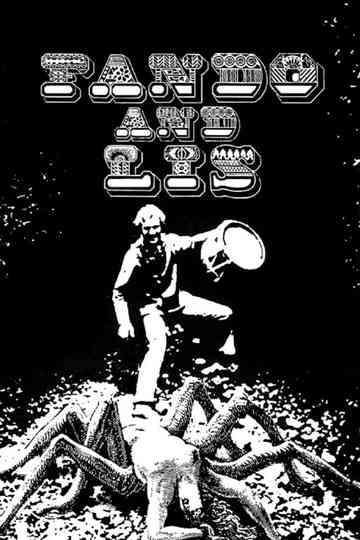
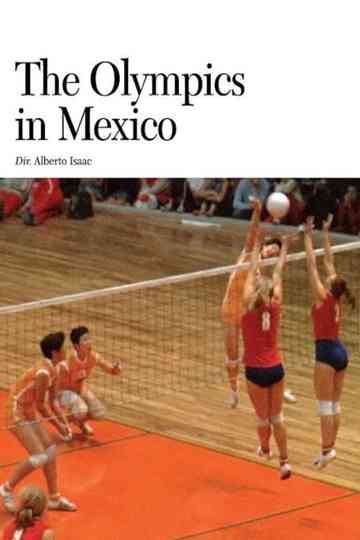
Antonio Reynoso (1916–1996) was a pioneering Mexican photographer and cinematographer born in Toluca. From 1936 to 1940, he studied painting with Manuel Rodríguez Lozano at the Academia de San Carlos before shifting his focus to photography under the tutelage of Manuel Álvarez Bravo from 1940 to 1943 at the same institution. His early work received international attention in 1943 when he exhibited six photographs—including images depicting Día de Muertos, a tomb, a portrait of Nefero, a girl plucking birds, indigenous people in a park, and scenes titled Alegría and Muerte en la vecindad—in the “Mexican Art Today” exhibition at the Philadelphia Museum of Art. This exposure was further bolstered in 1944 when he participated in exhibitions at both the Museum of Modern Art (MoMA) in New York and the San Francisco Museum of Art. In 1950, his film “Una ventana a la vida”—directed by Manuel Rodríguez Lozano with a script by Rodolfo Usigli—was shown in Paris, although the film has since been lost. Throughout the 1960s, Reynoso continued to expand his artistic reach. He participated in the “Lágrimas y Risas” exhibition at the Centro Israelita de México, directed the short film “El Despojo” (with a screenplay by Juan Rulfo and cinematography by Rafael Corkidi), and contributed as a cinematographer to several projects. These included working on “La Creación artística. José Luis Cuevas” (1964) and “Tajimara” (1965), both directed by Juan José Gurrola; “Fando y Lis” (1967) by Alejandro Jodorowsky; and “A Hole in the Fog” (1967) by Archibaldo Burns. In 1968, he was appointed head of cameras for the filming of the XIX Olympic Games in Mexico. During the early 1970s, from 1971 to 1972, Reynoso participated in the filming of “La Magi,” directed by René Rebetez. His reputation as an important figure in Mexican photography was cemented in 1976 when he was included in the exhibition “10 Photographers in Mexican Plastic Arts.” The following year, he held a solo exhibition at Casa del Lago showcasing 13 images curated by Graciela Iturbide, which was part of a book project featuring a prologue by Salvador Elizondo. In 1978, he was featured in the “Photography in Mexico: 9 Photographers” exhibition at the Center for Creative Photography in Arizona, curated by René Verdugo. Reynoso’s international acclaim grew with his participation in the “Mexico: An Exhibit of Mexican Photographers” at the Taller Latinoamericano in New York City (1983–1984) and his solo exhibition at The Photographers Gallery in London in 1986. His work continued to garner global recognition in the 1990s, being shown in a collective exhibition in Kyoto, Japan titled “De la tierra viviente” in 1990, as well as in the “Photographie Mexico 192’-1922” exhibition at Europalia and a solo exhibition at the Poliforum in 1993. Antonio Reynoso’s career left an indelible mark on both photography and cinematography in Mexico, and his work continues to be celebrated for its artistic innovation and cultural significance.