






Archie Stout Biography
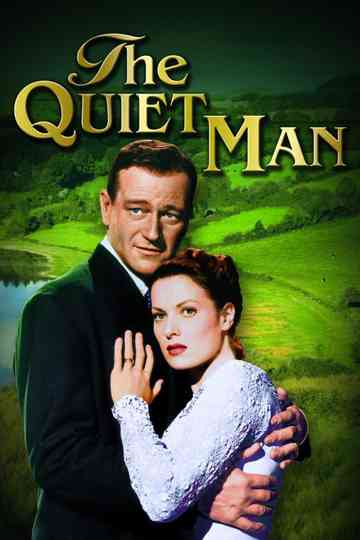
From Wikipedia, the free encyclopedia Archie Stout (March 30, 1886 – March 10, 1973), A.S.C. was an American cinematographer whose career spanned from 1914 to 1954. He enjoyed a long and fruitful association with John Ford, working as second unit cinematographer on Fort Apache (1948), She Wore a Yellow Ribbon (1949) and The Quiet Man (1952), becoming the only 2nd unit cinematographer to receive an Academy Award.
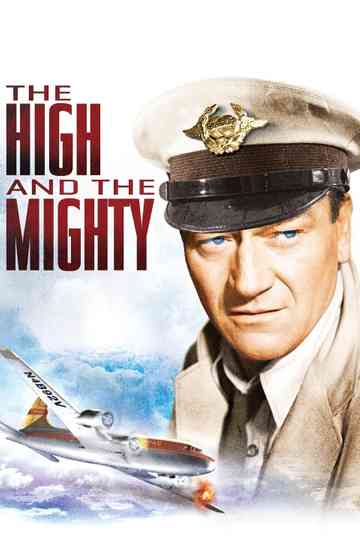
In a wide-ranging career, he also worked on such films as the original version of The Ten Commandments (1923) and several Hopalong Cassidy and Tarzan films. His last film was the airborne disaster movie The High and the Mighty in 1954. In 1914, Mack Sennett was filming a comedy with Louise Fazenda, and it required a scene with a pelican "nibbling at [Louise's] posterior".
However, the state law in California required that a representative of the fish and game committee be present at all times when handling the pelican. Archie was game warden of the fish and game commission of California at the time, and was assigned to oversee the handling of a pelican. However, several days after the scene with the pelican, Stout continued to observe and speak to Mack Sennett and his lead cameraman, Fred Jackman, throughout the rest of the shoot.
Jackman, taking a liking to Stout, and in need of background shots, asked if Stout would be interested in getting the shots for him. Stout eagerly agreed, and after a brief lesson on how the camera worked, went up into the High Sierras to get the shots. Once the film was developed, Jackman saw the potential in Stout's abilities and hired him immediately.
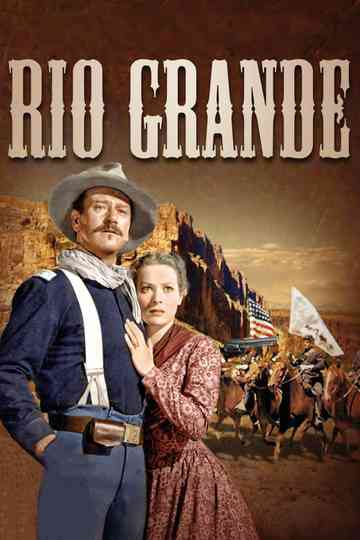
By the 1930s, Stout was "earning a reputation for outstanding outdoor photography" and was moving between director of photography positions and second unit jobs. He would go on to develop a strong professional relationship with actor John Wayne, shooting at least 25 of his films, most of which were westerns. Stout eventually became a part of director John Ford's camera crew, handling second unit photography on Fort Apache (1948), She Wore a Yellow Ribbon (1949), Rio Grande (1950), Wagon Master (1950) and The Quiet Man (1952).
Between his background with nature and his eye for exterior shots, Stout would go on to be "among the top dozen cinematographers associated with Westerns". In an interview, Archie said in the first eight years of his career he "roughly made 300 pictures for Mack Sennett and the Christie boys". By the printing of the article, he would be shooting his 500th film.
Although that is a staggering number of movies for a cinematographer, especially one well into his 50s, Archie was not too impressed with the number, saying that "in the old days a one-reeler was shot in two or three days, and as soon as you finished one you started right in with another".