










55
 Watch on Netflix

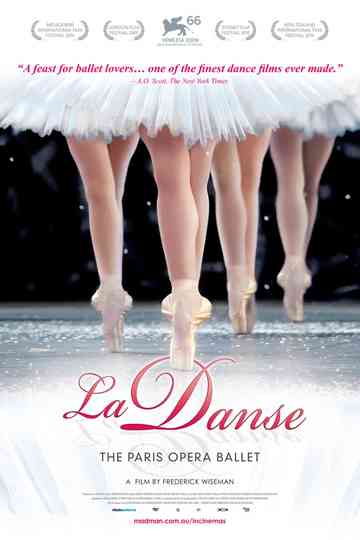
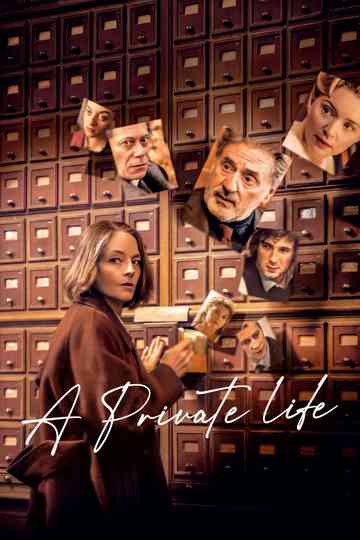
Frederick Wiseman (January 1, 1930 — February 16, 2026) was an American filmmaker, documentarian, and theatre director. As a documentarian, Wiseman has been noted for his ability to capture the nuances of life in American institutions such as prisons, hospitals, welfare offices, and high schools. He started out in 1963 by producing a narrative crime drama, The Cool World, an examination of the lives of Harlem teenagers. In the beginning, Wiseman was a staunch social reformist, and his films were calls for change. Titicut Follies, his first documentary, is an exposé of life in a prison for the criminally insane in Bridgewater, MA. It was controversial and left Wiseman with the reputation of being a muckraker. His four subsequent documentaries were exposés of other tax-supported institutions designed to show the ineffectiveness of the bureaucracy that not only threatens to destroy, but also dehumanizes the people they're meant to serve. Wiseman toned down his message and began focusing more on American culture to point out the symbolism of daily activities in his film Primate (1974). In the 1980s, he began examining institutions in relation to ideology. Unlike other documentaries, Wiseman’s work does not progress chronologically; rather, the segments are arranged thematically, like an essay, and are linked via rhetorical devices, such as comparison and contrast to create a patterned structure. His films are never narrated, thereby forcing viewers to make connections between the sequences themselves. Wiseman has occasionally returned to fictional films, albeit in a non-fiction performance style, as with Seraphita’s Diary (1982) and La Derniere Lettre (2002). Wiseman only directed two narrative features, La Dernière Lettre (2002) and A Couple (2022). Aside from filmmaking, he also directed several stage productions and appeared in films, including The Summer House (2018), Other People's Children (2022), Eephus (2024) and A Private Life (2025). In 2016, he received an Academy Honorary Award from the Academy of Motion Picture Arts and Sciences. In 2017, The New York Times called him "one of the most important and original filmmakers working today", and won the Critics' Choice Documentary Award for Best Director for Ex Libris: The New York Public Library. Wiseman announced his retirement in February 2025 prior to his death on February 16, 2026.

Moviefone is your ultimate guide to what's new in theaters and streaming on any screen.