












81
 Watch on HBO Max

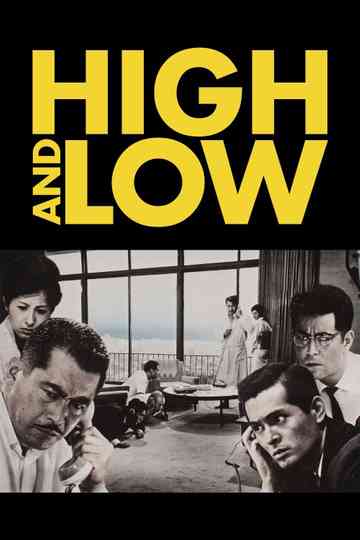
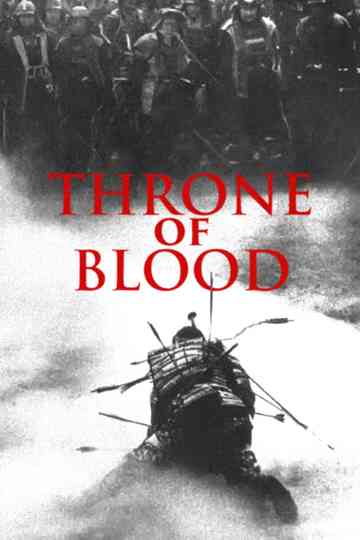
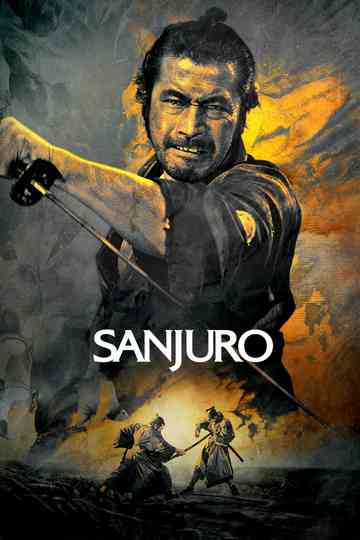
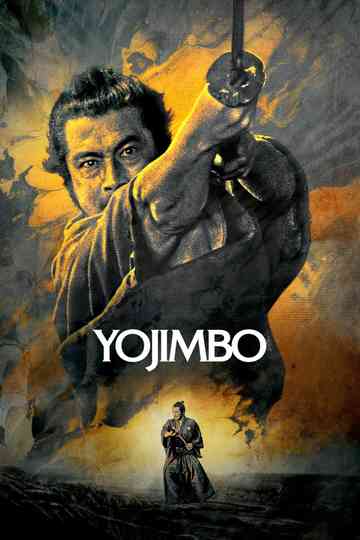
Masaru Satō (佐藤 勝) was a Japanese composer of film scores. The youngest of six brothers, all of them music lovers, Masaru Sato decided early in life that he wanted to be a composer. His models were two other composers born, as he was, on the northernmost Japanese island of Hokkaido: Akira Ifukube and Fumio Hayasaka. After hearing Hayasaka's score for Rashomon (1950), Sato decided Hayasaka was the only one he wanted for his teacher. He absorbed much of Hayasaka's modernist leanings, and grew to know Hayasaka's best friend Akira Kurosawa during this period. The year 1955 was a vast turning point for Sato: after scoring numerous insignificant pictures for various studios in Tokyo, Sato won the assignment for Gojira no Gyakushu (1955). Then his teacher Fumio Hayasaka died tragically young, while finishing the score for Kurosawa's Ikimono no Kiroku (1955). Sato stepped in to complete the score, uncredited. Kurosawa was sufficiently pleased with Sato to use him for all his pictures for the following ten years. Though the two had a falling-out after Akahige (1965), Sato remained one of Japan's most in-demand film composers, returning to the Gojira series several times and remaining a favorite of many other directors such as Kihachi Okamoto and June Fukuda. After scoring Dun-Huang in 1987, Sato had to call a brief halt to his career in order to tend to family interests in real estate in his native Hokkaido; but within a few years, the problems were wrapped up, and Sato was able to go back to film composing full time, at last reaching and surpassing his 300th movie score. Sato is almost unique among Japan's prolific film composers in that he has written extensively for his chosen field, but has never written for the concert stage.

Moviefone is your ultimate guide to what's new in theaters and streaming on any screen.