













 Add Moviefone as a preferred source on Google
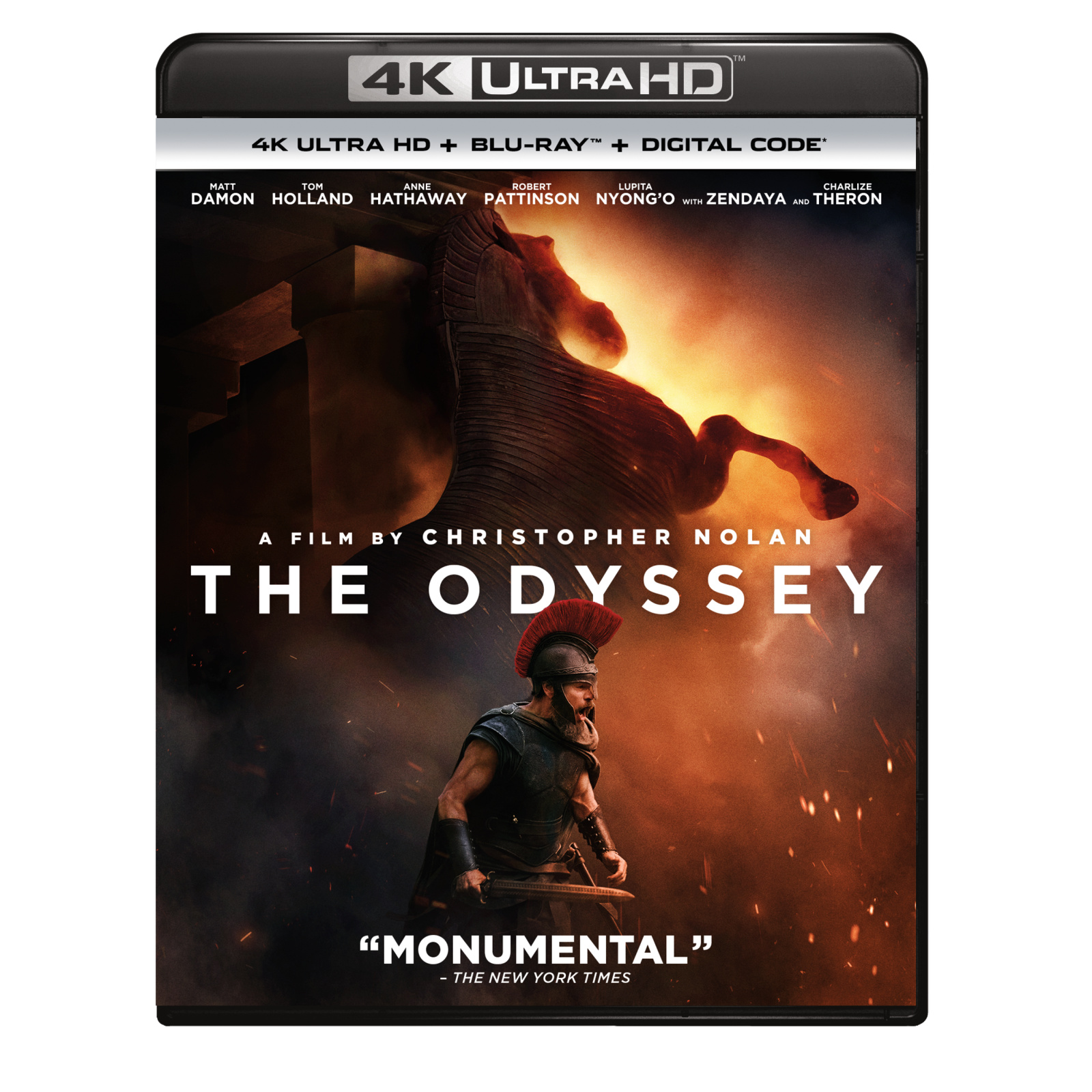
Available on digital and Ultra HD Blu-ray on November 17th is the box office blockbuster 'The Odyssey', which was directed by Oscar winner Christopher Nolan ('Oppenheimer').

The film stars an all-star cast that includes Matt Damon ('The Martian'), Tom Holland ('Spider-Man: Brand New Day'), Anne Hathaway ('The Devil Wears Prada 2'), Robert Pattinson ('The Batman'), Lupita Nyong'o ('Black Panther'), Samantha Morton ('Minority Report'), John Leguizamo ('Violent Night'), Elliot Page ('X-Men: Days of Future Past'), Jon Bernthal ('The Punisher: One Last Kill'), Charlize Theron ('Mad Max: Fury Road'), and Zendaya ('Dune').
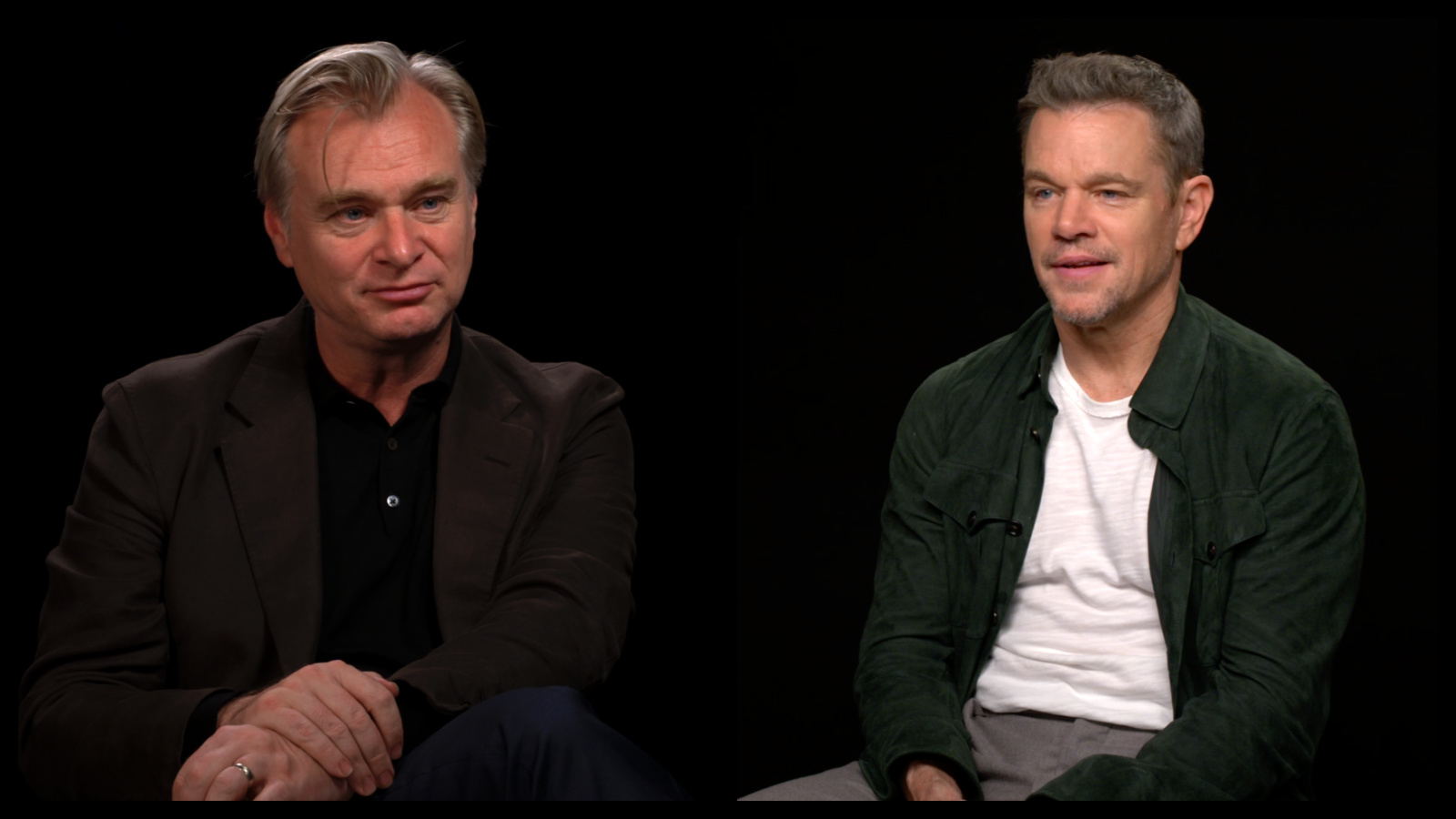
Moviefone recently had the honor of sitting down in-person with director Christopher Nolan, Matt Damon and John Leguizamo to talk about their work on 'The Odyssey', Nolan's passion for the project, what it was like for Damon to finally star in a Nolan film, Leguizamo's hair and make-up process, working with the crew, and the process of transferring the IMAX footage to digital for the home release.
Related Article: Movie Review: 'The Odyssey'
Moviefone: To begin with, Mr. Nolan, can you talk about the challenges of making this film the way you wanted to make it and working with your cast and crew to achieve that vision?
Christopher Nolan: Well, taking on 'The Odyssey', you're taking on a lot. It's our oldest foundational story in Western literature. It involves a lot of travel at sea, which as the filmmaker who made 'Dunkirk,' and that was a film we shot on a lot of boats, I know how difficult that is. So even as I was writing, I knew what we were taking on, but I also knew I had an incredible team of people to draw on and put together to make that all happen. I mean, ultimately really, it's just been a dream to be able to bring together these great collaborators with an incredible cast and travel the world and just try and create the tone of a real world feeling. That is to say, you want the audience on the deck of that ship with Odysseus. You want them in the Palace of Ithaca. You want them to feel that they're breathing the sea air and all of that, or they're going into Hades. You want to feel like it's a documentary. You're just there with the undead. That was the driving goal for everybody involved in the film to give the audience a reason to believe, and give them an experience.
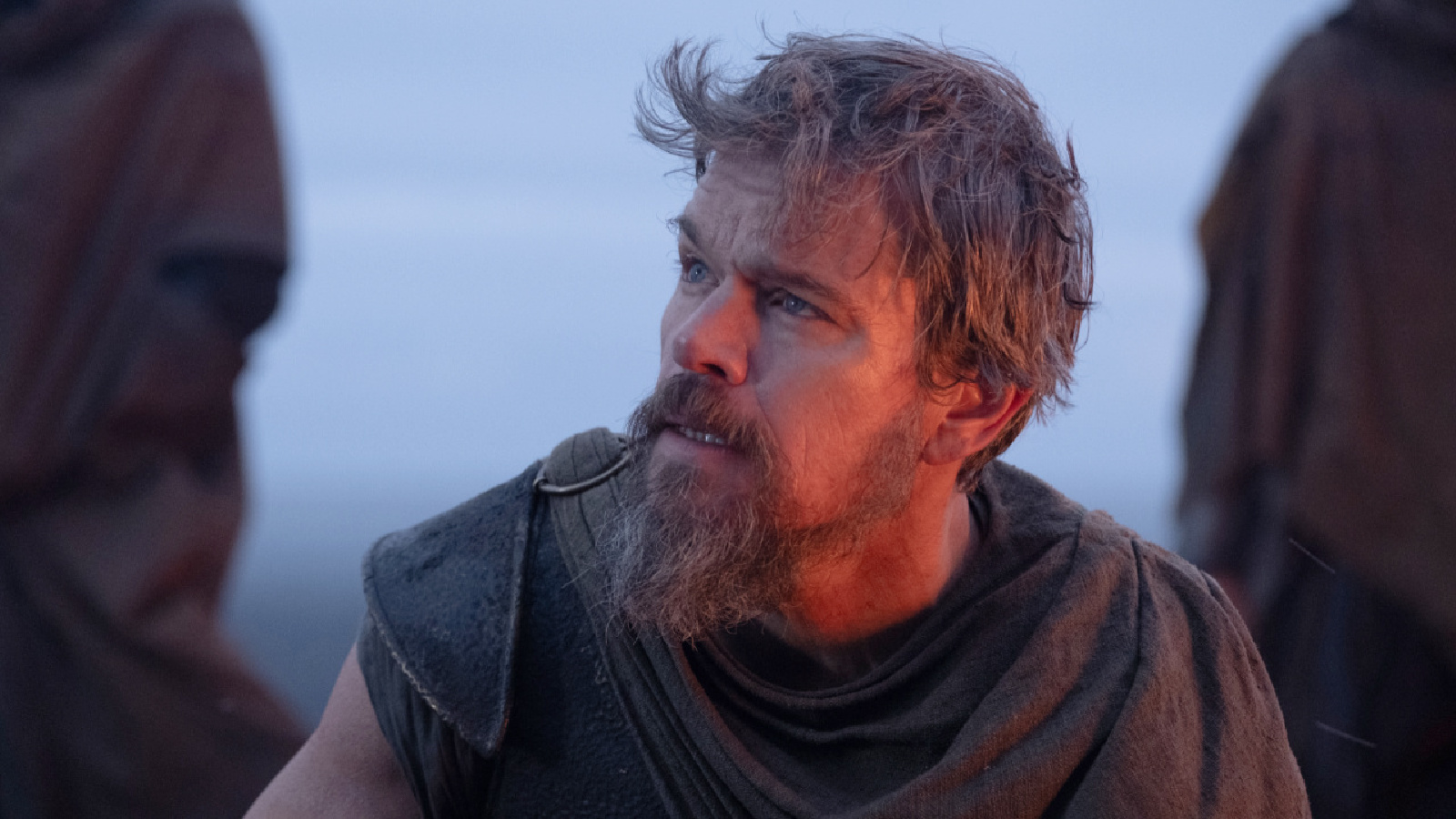
MF: Matt, obviously you've worked with Mr. Nolan before, but what is it like being number one on his call sheet? Does that come with a different set of responsibilities and pressures?
Matt Damon: Yeah, it's different responsibilities to be sure. A much bigger workload, but a different pressure. I didn't feel pressure. It's more the problem solving around making sure I can do what he needs me to do. That's the pressure for all of us is trying to deliver because it was a really ambitious undertaking and idea that he had to do this in this way. So I think everybody felt that, but on set was interesting, especially among the cast. There was a real exhilaration. Everybody was excited they were there and that they were one of the people who got to be a part of this.
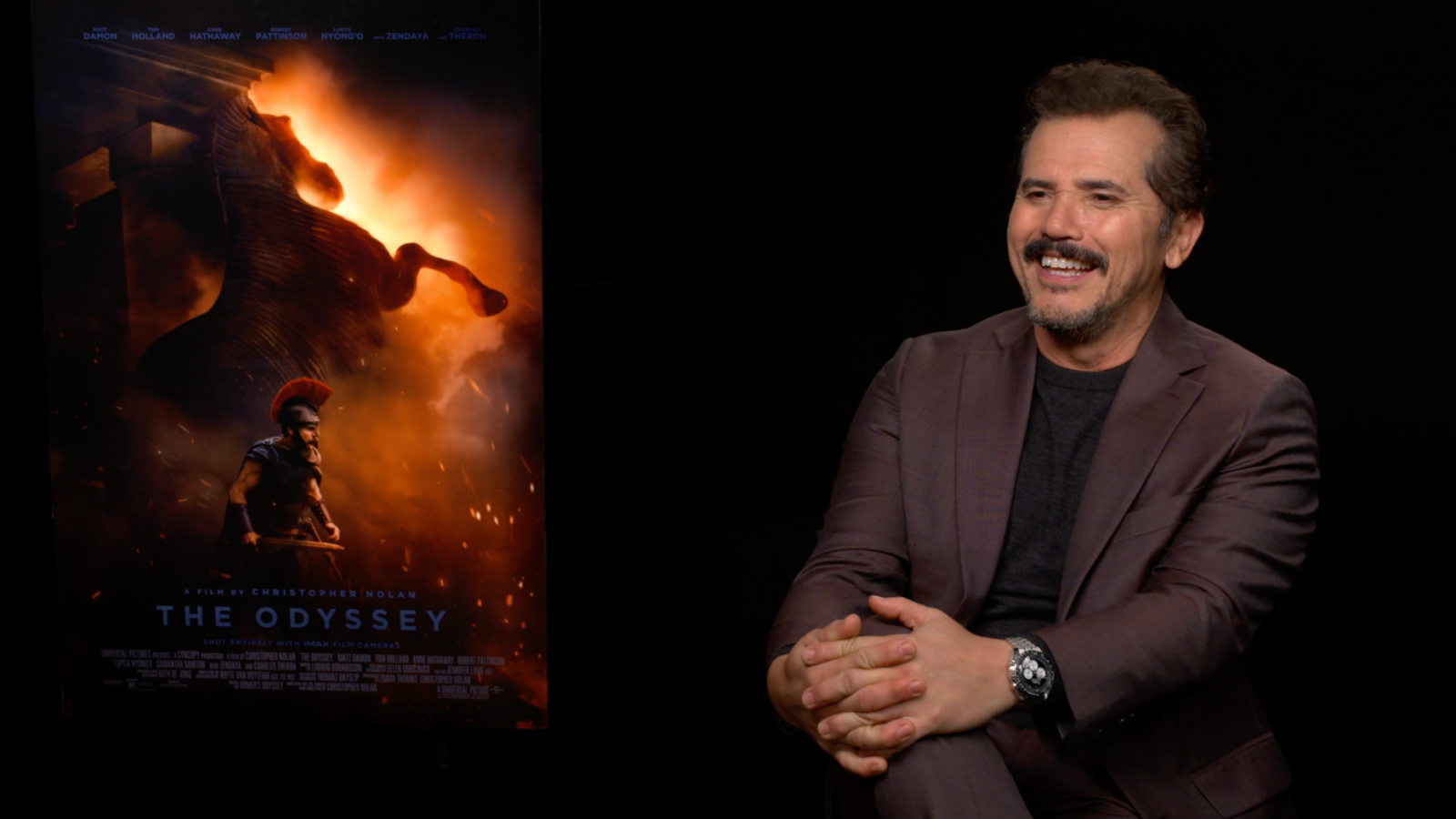
MF: John, as a filmmaker yourself, what was it like being on a Christopher Nolan set and watching the specific way he makes movies? What did you learn and what surprised you about the way he works?
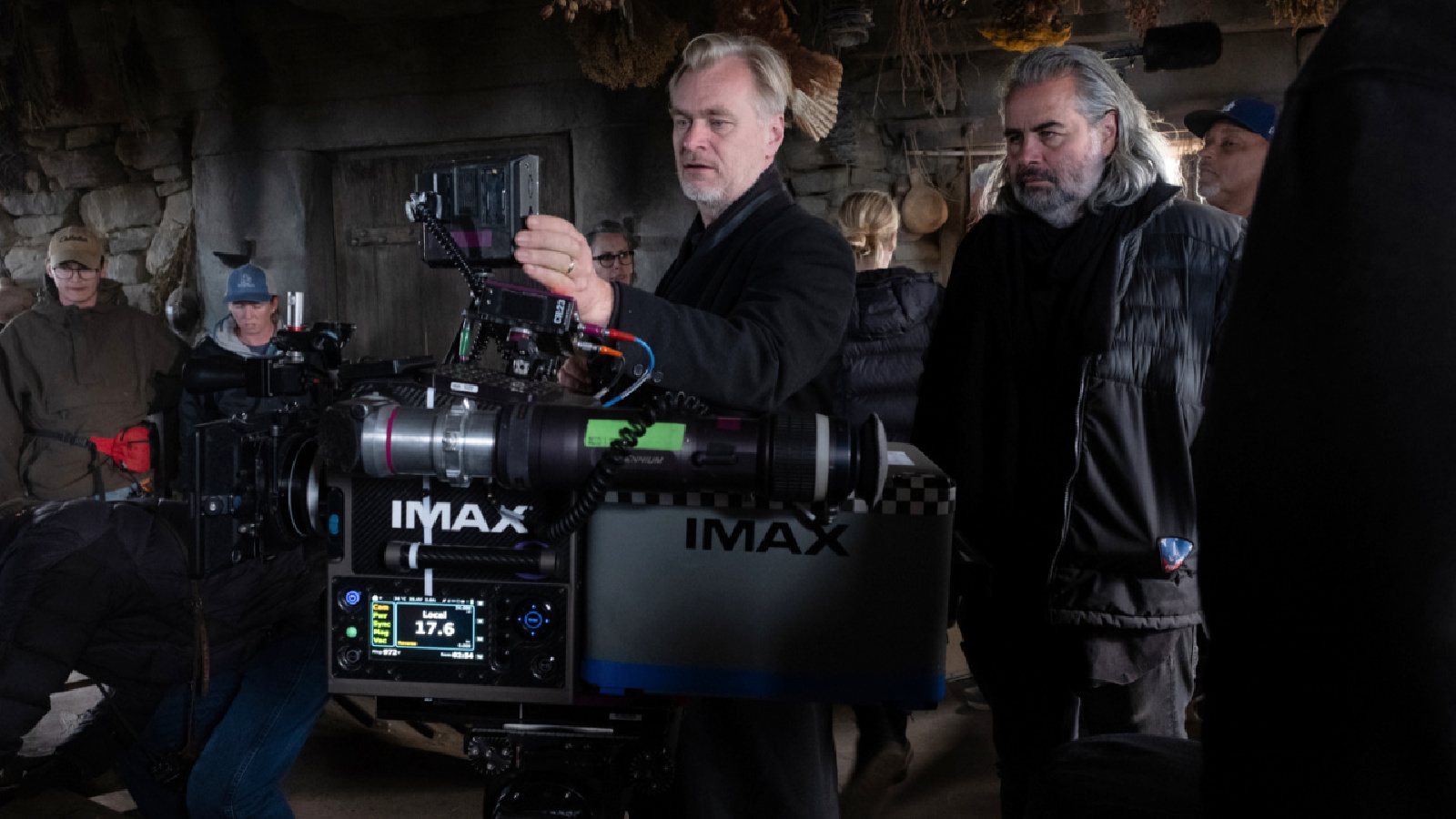
John Leguizamo: Well, I wish I could make movies the way Chris does. You have to have so much confidence and so much know-how. He doesn't have a proper shot list, he has an idea of what he wants to do, he has all the equipment ready, and then he brings the actors in the space, and clears a crew, and you create from scratch. It's the best way to create real behavior and to get organic material out of your actors. It's the best way to work. But I don't know if you can always do it or if you always have the confidence. Then he stands behind the camera. When I started doing films 40 years ago, that's what directors did, then they ended up going to video village. But when that director's right there with you, you feel safe, you feel protected, and you feel like you can give things that you normally can't because you feel seen.
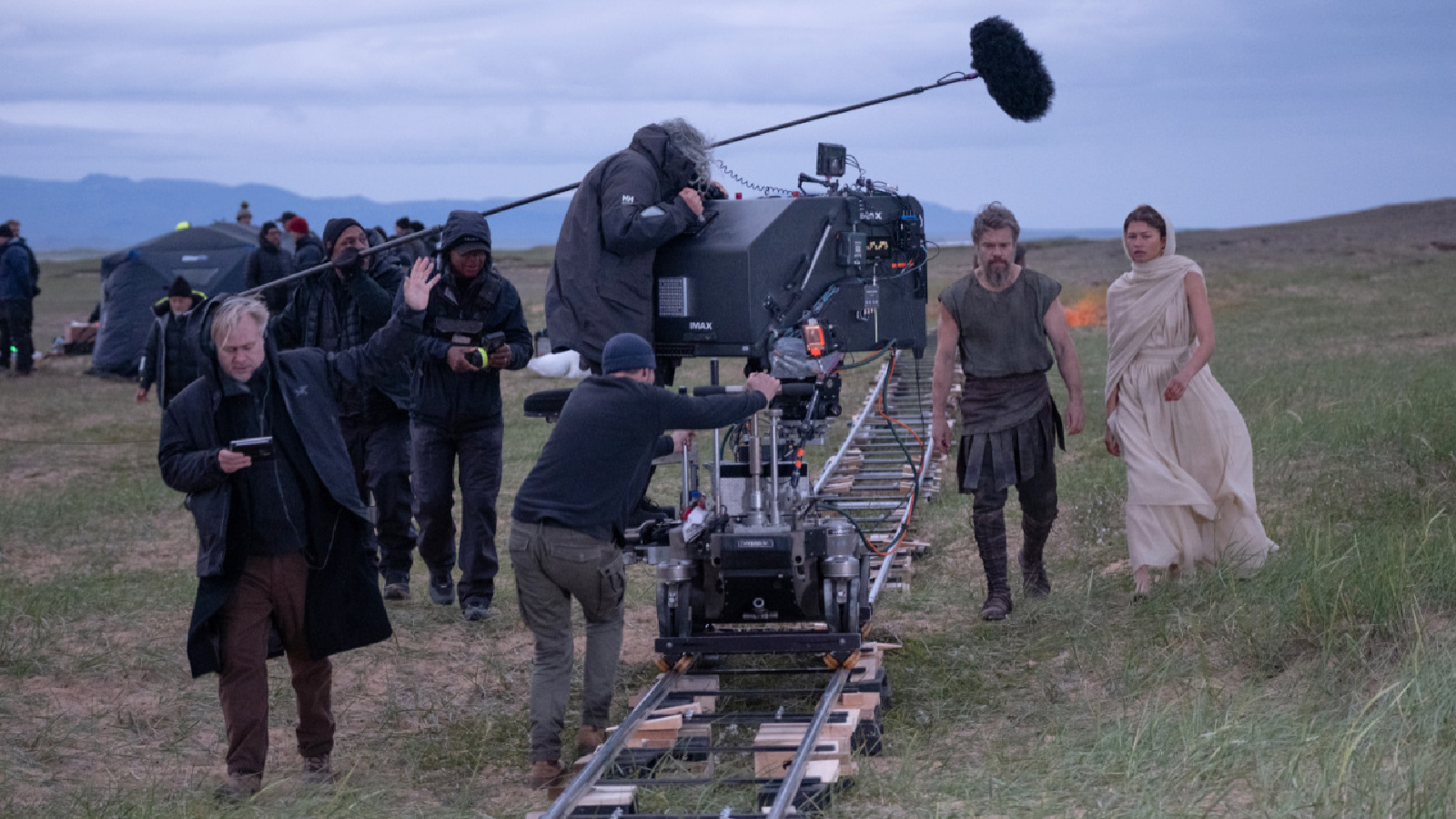
MF: Matt, Mr. Nolan assembles the best of the best in every department for his crew. Can you talk about working with them on this project and knowing that everyone is bringing their A-game to achieve his vision?
MD: It was incredible to be doing a movie at this scale with these heads of departments and then who they hired to staff out their teams to execute on this were just, it was amazing. You really looked around and just saw excellence everywhere you looked. We all drew a lot of inspiration from that, from watching. We'd all done enough movies to know what all the departments do and to see what they were tasked with doing and how hard it was and how hard they were working. I think that really elevated everybody.

MF: John, can you talk about working with the hair and make-up team to create the look of your character and and how that helped inform your performance?
JL: Obviously the way you look definitely informs the way you behave. I studied my friend, Gina Velasquez, who's blind, and elderly people, to see how they moved, so I could have the physicality and represent correctly. But the hair, they bleach my hair because Chris doesn't want anything phony, everything's got to be real, even the hair. So, no wig. So we bleached my hair for two days until it burned my scalp and my brows, but it was white like straw. It was fried, dried and left outside. Then, for the old age wrinkles, they have this new glue, they put glue on your neck, and then they squeeze it, and then it stays squeezed. Then they do it to your face, and your forehead, and then with the contacts on top, they paint your face with age spots and all kinds of red marks. I wasn't the best looking.
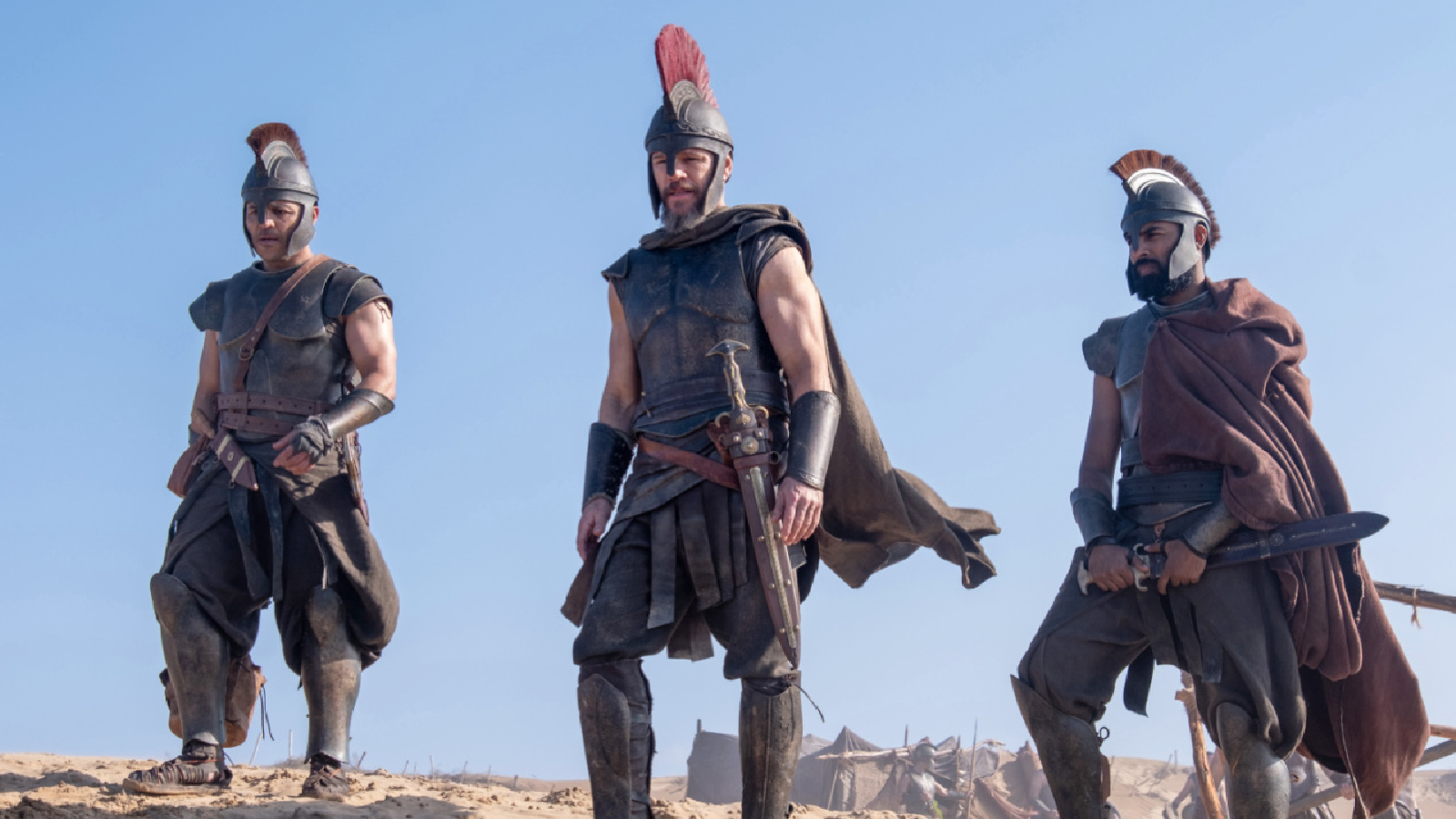
MF: Matt, with this film being as challenging as it was to make, did that bond the cast together in a way?
MD: I mean, yeah. Chris kind of asked, I would say, in an honest and fun way, an unreasonable amount from the crew. You know what I mean? But implicit in that was the understanding that he was asking a lot and he was asking a lot from them and a lot from himself. There is a joy in that and a bonding experience in that when particularly we're shooting in IMAX for the first time, a full film. It kind of felt like an expedition. It's like you had to hike to get to the locations. There were just a lot of things that were unique about it that made it feel different and made it feel new and exciting. So, it was challenging, but there was a lot that came along with that and a lot of professional pride in like, "Yeah, it's challenging, but we can do it."
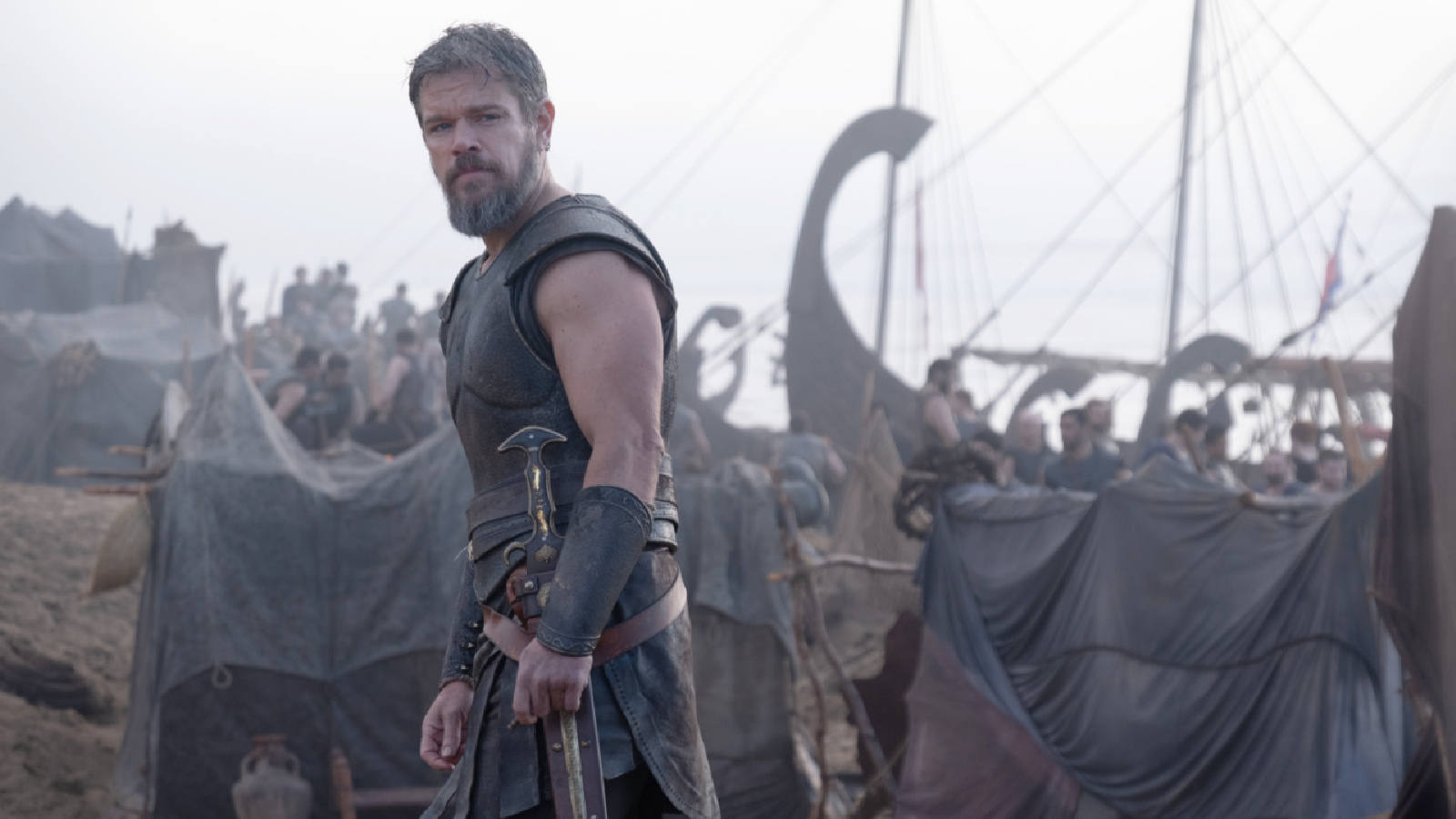
MF: Mr. Nolan, can you talk about working with Matt and having an actor who not only can portray a great leader on screen, but is also a great leader behind the scenes with your cast and crew?
CN: I mean, I think this film was unthinkable without Matt Damon. It's something I feel he was born to do. The physical difficulty of making the film all around the world, very challenging circumstances. Without an actor who's out there, happy to be there, just making it all work, shaming everybody with just his great attitude and his excitement for what we're doing. It was just an inspiring example to all of us. I can't imagine doing it without Matt, other than the fact that I think his performance is absolutely incredible. I think he came to this role at a time in his life when he was just ready to pull this out on screen.
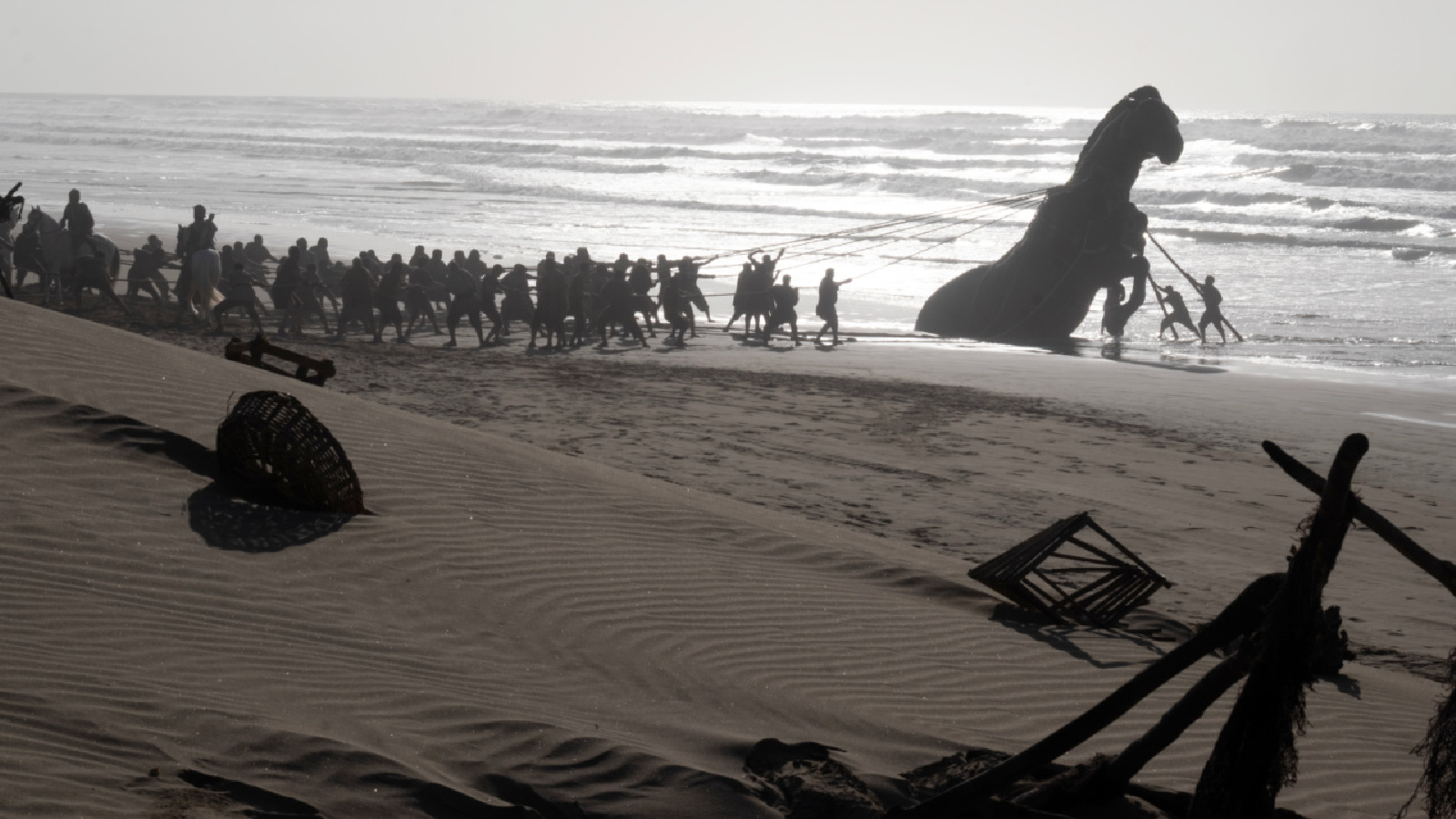
MF: Finally, Mr. Nolan, you shot the movie entirely on IMAX cameras and obviously, you wanted audiences to see the movie on the biggest screen possible. Now that the film will be available at home, and people will be watching it on smaller screens, can you talk about transferring the film to different formats and how you were able to keep the scope and scale of the film intact?
CN: Well, when you say "smaller screens", people have great big TVs now. We have incredible technology in the home. I mean, really it's been an increasingly rewarding thing over the last 20 years to reformat stuff we've done for the cinema to the home because you have people with projectors, and you've got people with large screen TVs. Hoyte van Hoytema, my director of photography and myself spent months transferring the film elements to the Blu-rays, the DVDs, and the 4K UHD, really wonderful versions of the film and wonderful versions on streaming. It translates very well because when you shoot IMAX film, you have that negative that's run through the camera, and the amount of information on that is colossal. It's the gold standard of any imaging format. So you can take that and you can reformat that for any way that somebody's going to choose to watch your film and it's going to be great. It's going to be better than it would be. So the home video release of the films, they're exciting. There's a lot you can do, particularly with the sound as well. People have excellent setups now. So, if you want to turn your living room into a pretty great place to watch a movie, it's possible to do.
What is the plot of ‘The Odyssey’?
Following the Trojan War, Odysseus (Matt Damon), the legendary Greek king of Ithaca, begins a long and perilous journey home, encountering mythical beings and monsters while attempting to reunite with his wife, Penelope (Anne Hathaway).
Who is in the cast of ‘The Odyssey’?
- Matt Damon as Odysseus
- Tom Holland as Telemachus
- Anne Hathaway as Penelope
- Robert Pattinson as Antinous
- Lupita Nyong'o as Helen of Troy/Clytemnestra
- Samantha Morton as Circe
- Zendaya as Athena
- Charlize Theron as Calypso
- Jon Bernthal as Menelaus
- John Leguizamo as Eumaeus
- Himesh Patel as Eurylochus
- Corey Hawkins as Polybus
- Mia Goth as Melantho
- Elliot Page as Sinon
- Benny Safdie as Agamemnon
- Bill Irwin as Polyphemus
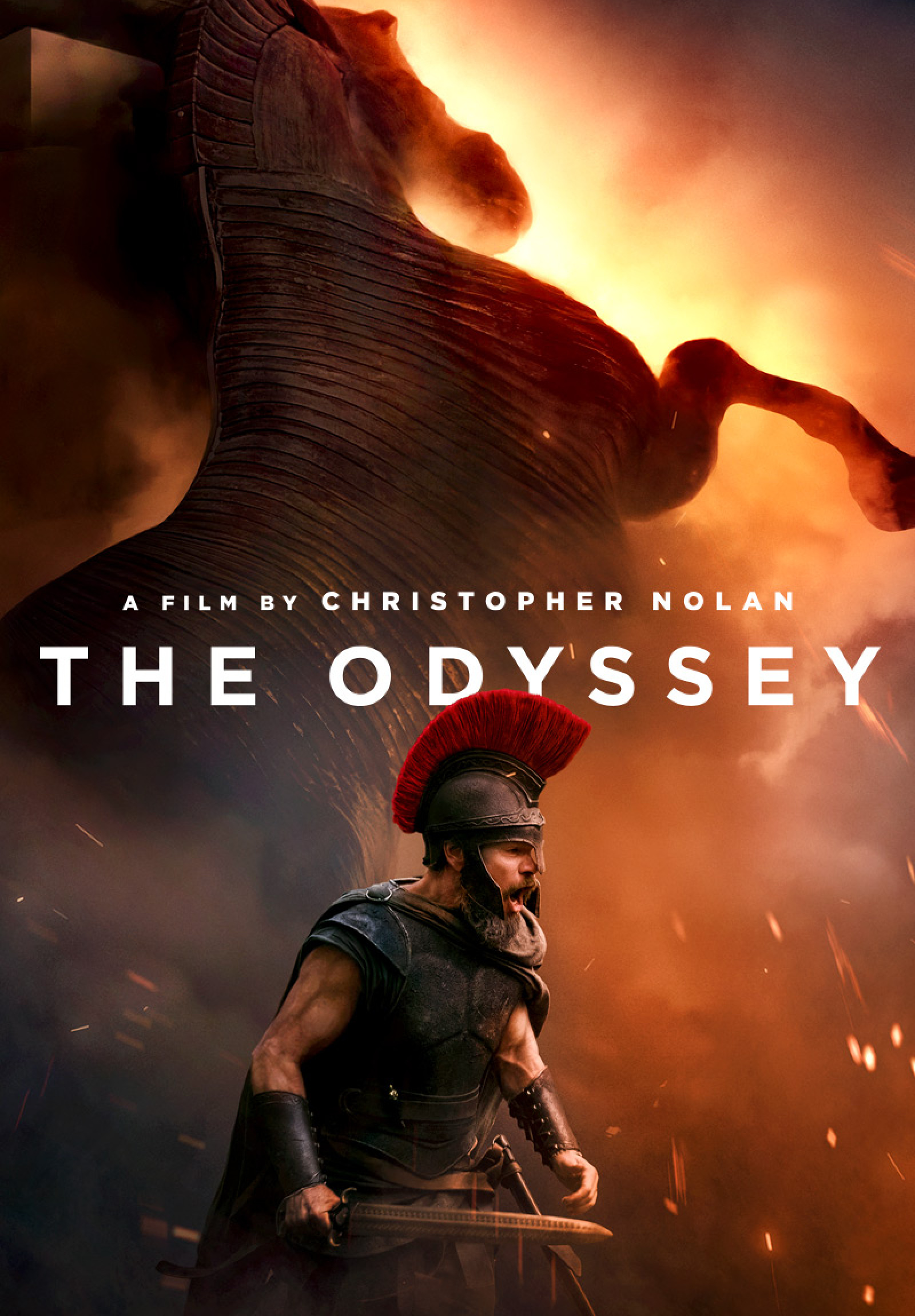
List of Christopher Nolan Movies:
- 'Following' (1998)
- ‘Memento' (2001)
- 'Insomnia' (2002)
- ‘Batman Begins' (2005)
- 'The Prestige' (2006)
- 'The Dark Knight' (2008)
- 'Inception' (2010)
- 'The Dark Knight Rises' (2012)
- 'Interstellar' (2014)
- 'Dunkirk (2017)
- 'Tenet' (2020)
- 'Oppenheimer' (2023)
- 'The Odyssey' (2026)